
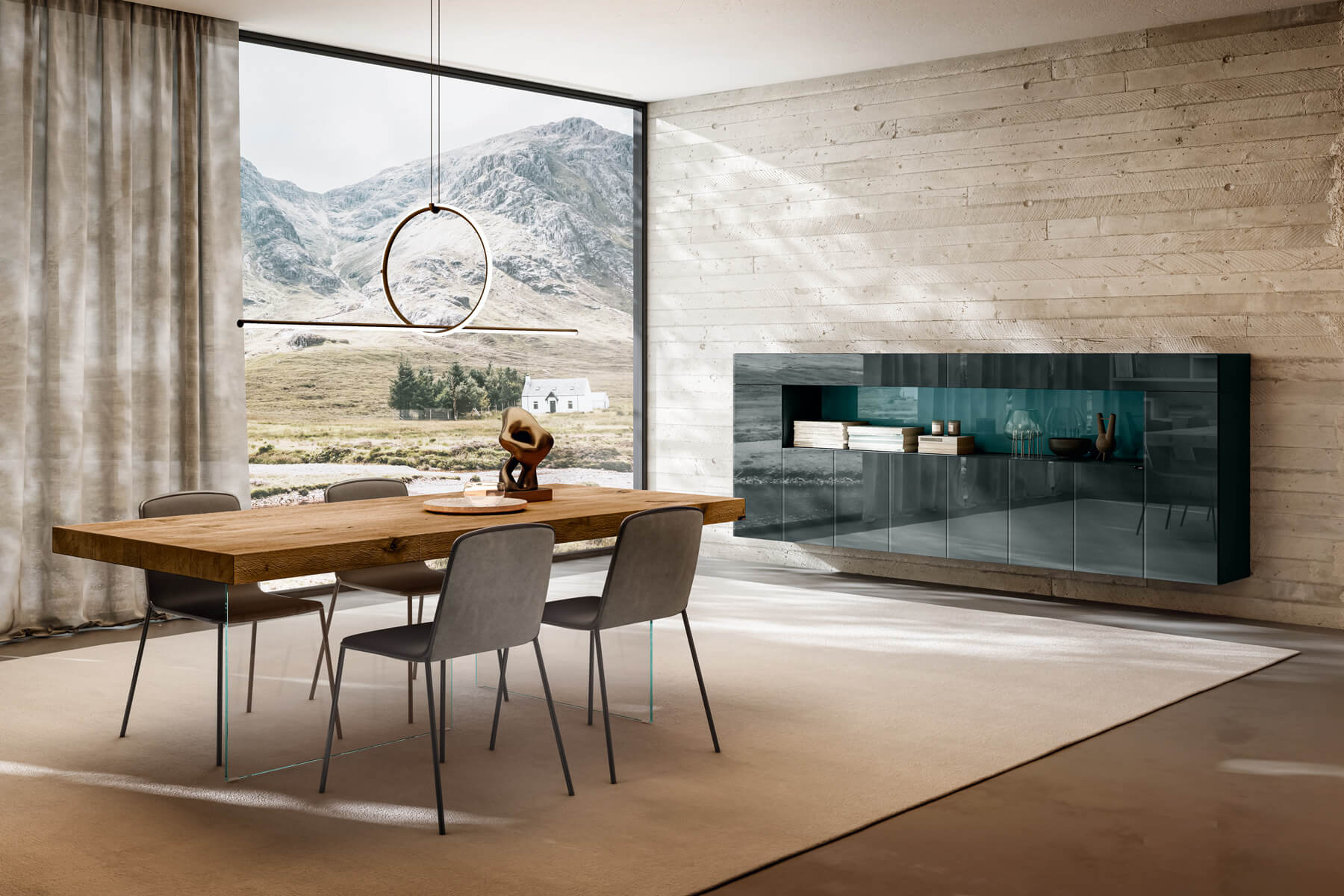
Creating the Perfect Lighting Ambiance

For effective illumination, a comprehensive approach is required. This article outlines key considerations and techniques for developing a conducive lighting environment in various spaces, focusing on functionality, aesthetic appeal, and human well-being.
The foundation of any lighting scheme lies in the selection and deployment of appropriate light sources. Each type possesses distinct characteristics influencing its application.
Incandescent Lighting
Incandescent lamps generate light through a heated filament. While historically prevalent, their low energy efficiency and short lifespan have led to their declining use. They produce a warm, full-spectrum light, often preferred for residential settings due to its flattering qualities. However, their heat output can be a drawback in certain applications.
Halogen Lighting
A refinement of incandescent technology, halogen lamps incorporate a halogen gas within the bulb. This gas regenerates the tungsten filament, extending lamp life and maintaining light output over time. Halogen lamps offer brighter, whiter light than traditional incandescents and are often used for accent lighting and task illumination where precise light direction is needed. Their higher operational temperature necessitates careful fixture selection and placement to prevent fire hazards.
Fluorescent Lighting
Fluorescent lamps produce light by exciting a gas within a tube, which then emits ultraviolet radiation that is converted into visible light by a phosphor coating. They are significantly more energy-efficient than incandescent and halogen options and have a longer lifespan. Fluorescent lighting can range from cool white to warm white, making it versatile for various environments. However, concerns regarding mercury content and potential flickering have led to their gradual replacement by newer technologies. Compact fluorescent lamps (CFLs) miniaturized this technology for incandescent fixture compatibility but share similar drawbacks.
LED Lighting
Light-emitting diodes (LEDs) represent a significant advancement in lighting technology. LEDs are semiconductor devices that produce light when an electric current passes through them. They are highly energy-efficient, offer an exceptionally long lifespan, and are available in a vast array of color temperatures and beam angles. Their compact size and durability make them suitable for diverse applications, from general overhead lighting to intricate accent features. The solid-state nature of LEDs eliminates the mercury present in fluorescent lamps, enhancing their environmental profile. Advances in LED technology continue to improve light quality and reduce costs, solidifying their position as a primary lighting solution.
The Principle of Layered Lighting
Effective lighting design rarely relies on a single light source. Instead, it employs a strategy of layered lighting, combining different types and intensities to achieve multifaceted illumination. This approach allows for adjustability, visual interest, and optimization for various activities.
Ambient Lighting
Ambient lighting, also known as general lighting, provides the primary illumination for a space, enabling general visibility and safe movement. It is the baseline, the broad canvas upon which other layers are applied. Examples include recessed downlights, ceiling-mounted fixtures, and indirect cove lighting. The goal of ambient lighting is uniform distribution, avoiding dark corners or excessive brightness in specific areas. The color temperature of ambient light significantly impacts the overall mood of a space. Warmer temperatures (2700K-3000K) tend to create a more inviting and relaxed atmosphere, while cooler temperatures (3500K-5000K) promote alertness and are often preferred in task-oriented environments.
Task Lighting
Task lighting is focused illumination designed to support specific activities such as reading, cooking, or working at a desk. It acts as a spotlight for concentration, reducing eye strain and improving performance. Task lighting should be adequately bright and positioned to minimize shadows on the work surface. Examples include desk lamps, under-cabinet lights in kitchens, and reading lamps beside a chair. The intensity and directionality of task lighting are paramount; a poorly positioned task light can create more problems than it solves, leading to glare or inadequate illumination.
Accent Lighting
Accent lighting draws attention to specific features, objects, or architectural details within a space. It serves to highlight, to frame, to direct the eye, adding depth and visual interest. Artworks, sculptures, mantelpieces, and textured walls are common beneficiaries of accent lighting. Recessed spotlights, track lighting, and wall washers are frequently employed for this purpose. The intensity of accent lighting should typically be three times brighter than the ambient light to create a noticeable contrast. The angle of incidence is also critical; grazing light across a textured surface can dramatically emphasize its relief.
Decorative Lighting
Decorative lighting, while providing some ambient or accent illumination, primarily functions as a design element itself. It is the jewelry of a room, contributing to aesthetics and defining style. Chandeliers, pendant lights, sconces, and floor lamps often fall into this category. While their primary role is visual appeal, careful consideration of their light output and distribution is still necessary to ensure they integrate effectively with the overall lighting scheme. A decorative fixture that emits harsh, unflattering light, regardless of its beauty, diminishes the overall effect.
Color Temperature and Rendering
Beyond simple brightness, the quality of light is significantly influenced by its color temperature and color rendering capabilities. These factors directly impact how a space feels and how colors are perceived.
Color Temperature (CCT)
Color temperature, measured in Kelvin (K), describes the perceived warmth or coolness of light. Lower Kelvin values (e.g., 2700K-3000K) correspond to “warm white” light, which has a yellowish-reddish tint, similar to incandescent bulbs. These temperatures evoke comfort and relaxation. Higher Kelvin values (e.g., 4000K-5000K) represent “cool white” or “daylight” light, which appears bluer and more sterile. These temperatures are often associated with alertness and are common in offices, retail spaces, and health care facilities. A balanced approach often involves using warmer temperatures in living areas and bedrooms, and cooler temperatures in workspaces or utility areas. The selection of CCT should align with the intended function and mood of the space.
Color Rendering Index (CRI)
The Color Rendering Index (CRI) is a quantitative measure of a light source’s ability to reveal the true colors of objects compared to a natural light source (like sunlight). CRI is measured on a scale from 0 to 100, with 100 being the highest possible score, indicating excellent color rendering. A high CRI is crucial in environments where accurate color perception is important, such as art studios, retail stores displaying clothing, or kitchens where food preparation occurs. Poor CRI can make colors appear dull, washed out, or even distorted. While a CRI of 80 is generally considered acceptable for most general illumination, applications demanding high color fidelity often require a CRI of 90 or above.
Controlling Light
The ability to control light is as important as the light sources themselves. Dimming, switching, and automation provide flexibility and enhance energy efficiency.
Dimming
Dimmers allow for the adjustment of light intensity, offering versatility in creating different moods and reducing energy consumption. Dimming systems can range from simple wall-mounted rheostats to sophisticated digital controls integrated into smart home networks. Different types of light sources require specific dimmer types. Incandescent and halogen lamps are generally compatible with standard incandescent dimmers. Fluorescent lamps often require specific dimmable ballasts. LEDs, due to their electronic nature, necessitate LED-compatible dimmers to prevent flickering or damage. Effective dimming allows a single fixture to serve multiple purposes, shifting from bright task illumination to subdued ambient light with ease.
Switching
Basic switching controls the on/off functionality of light fixtures. However, more advanced switching options enhance usability. Three-way switches control a single fixture from two locations, while four-way switches allow control from three or more points. Occupancy sensors automatically turn lights on when movement is detected and off after a period of inactivity, conserving energy in infrequently used spaces. Daylight sensors adjust artificial light levels based on the amount of natural light available, maintaining a consistent overall illumination while maximizing energy savings.
Smart Lighting Systems
Smart lighting systems integrate sophisticated controls, often accessible via mobile applications or voice commands. These systems allow for granular control over individual fixtures or groups of lights, enabling scheduling, pre-set scene creation, and dynamic color changes (with tunable white or RGB fixtures). Integration with other smart home devices allows for automated responses to various stimuli, such as lights dimming when a movie starts or adjusting to wake-up schedules. While initial installation can be more complex, smart lighting offers unparalleled flexibility and personalization.
Maximizing Natural Light
Natural daylight is a valuable resource that can significantly impact the character and energy efficiency of a space. Integrating natural light effectively complements artificial lighting.
Daylighting Strategies
Strategic placement of windows, skylights, and light tubes can introduce ample natural light into interiors. The orientation of a building relative to the sun path plays a crucial role. South-facing windows in the Northern Hemisphere (or north-facing in the Southern Hemisphere) provide consistent, high-quality light throughout the day, though careful consideration of shading mechanisms is needed to prevent excessive heat gain and glare. East-facing windows receive morning light, suitable for kitchens and breakfast nooks, while west-facing windows admit strong afternoon light, which can be challenging to manage.
Glare Control
While desirable, excessive natural light can lead to glare, causing discomfort and making it difficult to see screens or perform tasks. Various strategies mitigate glare. Overhangs, awnings, and trellises can block direct sunlight. Blinds, shades, and curtains offer adjustable light control, allowing occupants to adapt to changing daylight conditions. Light shelves, horizontal surfaces positioned above windows, reflect natural light deeper into a room, distributing it more evenly and reducing glare at the window plane. Low-emissivity (low-e) glass can also reduce heat gain while maintaining light transmission.
Integration with Artificial Lighting
The synergy between natural and artificial light is crucial. Daylight harvesting systems, utilizing daylight sensors, automatically dim or turn off artificial lights when sufficient natural light is present. This not only saves energy but also creates a more dynamic and comfortable environment. The color temperature of artificial lights should ideally harmonize with natural light, or be adjusted accordingly throughout the day to avoid a jarring transition. During daytime hours, cooler artificial light can blend seamlessly, while warmer temperatures are often preferred as natural light diminishes.
Human-Centric Lighting (HCL)
Human-centric lighting (HCL) is a design philosophy that considers the biological and psychological impacts of light on human well-being. It moves beyond mere illumination to optimize light for human health, mood, and productivity.
Circadian Rhythms
HCL is fundamentally linked to human circadian rhythms, the 24-hour internal clock that regulates sleep-wake cycles, hormone production, and other physiological processes. Exposure to specific light wavelengths, particularly blue light, at certain times of the day can either support or disrupt these rhythms. Bright, cool-white light in the morning and throughout the day helps promote alertness and focus, simulating natural daylight. Conversely, reduced exposure to blue light and increased exposure to warmer, less intense light in the evening signals to the body that it’s time to prepare for sleep.
Tunable White Lighting
Tunable white lighting, a key component of HCL, allows for the adjustment of both light intensity and color temperature of LED fixtures. This technology enables dynamic changes in lighting throughout the day, replicating the natural progression of daylight. For instance, a workspace might start with a cooler, brighter light in the morning to aid concentration, gradually transitioning to a warmer, softer light in the evening to facilitate relaxation. Such systems can be programmed to follow pre-set schedules or adjusted by occupants to suit individual preferences and activities.
Non-Visual Effects of Light
Beyond sight, light impacts humans through non-visual pathways, particularly through specialized photoreceptors in the eye that are sensitive to blue light. These photoreceptors signal directly to the suprachiasmatic nucleus (SCN) in the brain, the body’s master biological clock. Consequently, light exposure influences melatonin production, mood, cognitive performance, and sleep quality. HCL aims to optimize these non-visual effects by manipulating spectral composition, intensity, and timing of light exposure, particularly in environments where occupants spend extended periods indoors, such as offices, schools, and healthcare facilities. While the science of HCL is still evolving, the principles of aligning artificial light with natural light cycles offer tangible benefits for human health and comfort.
By systematically applying these principles, one can move beyond simply lighting a space to creating an environment that supports its occupants’ well-being and enhances its functional and aesthetic qualities. The journey to the perfect lighting ambiance is an iterative process of understanding, selection, control, and thoughtful integration.