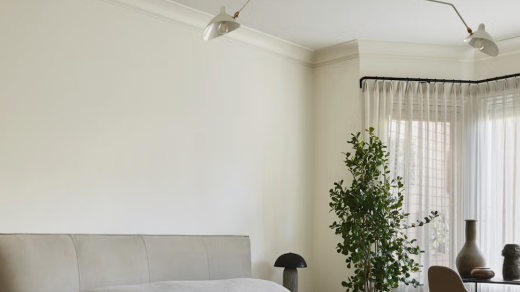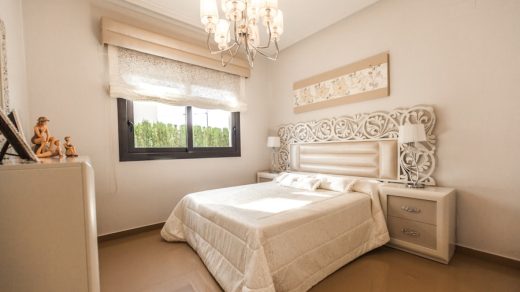
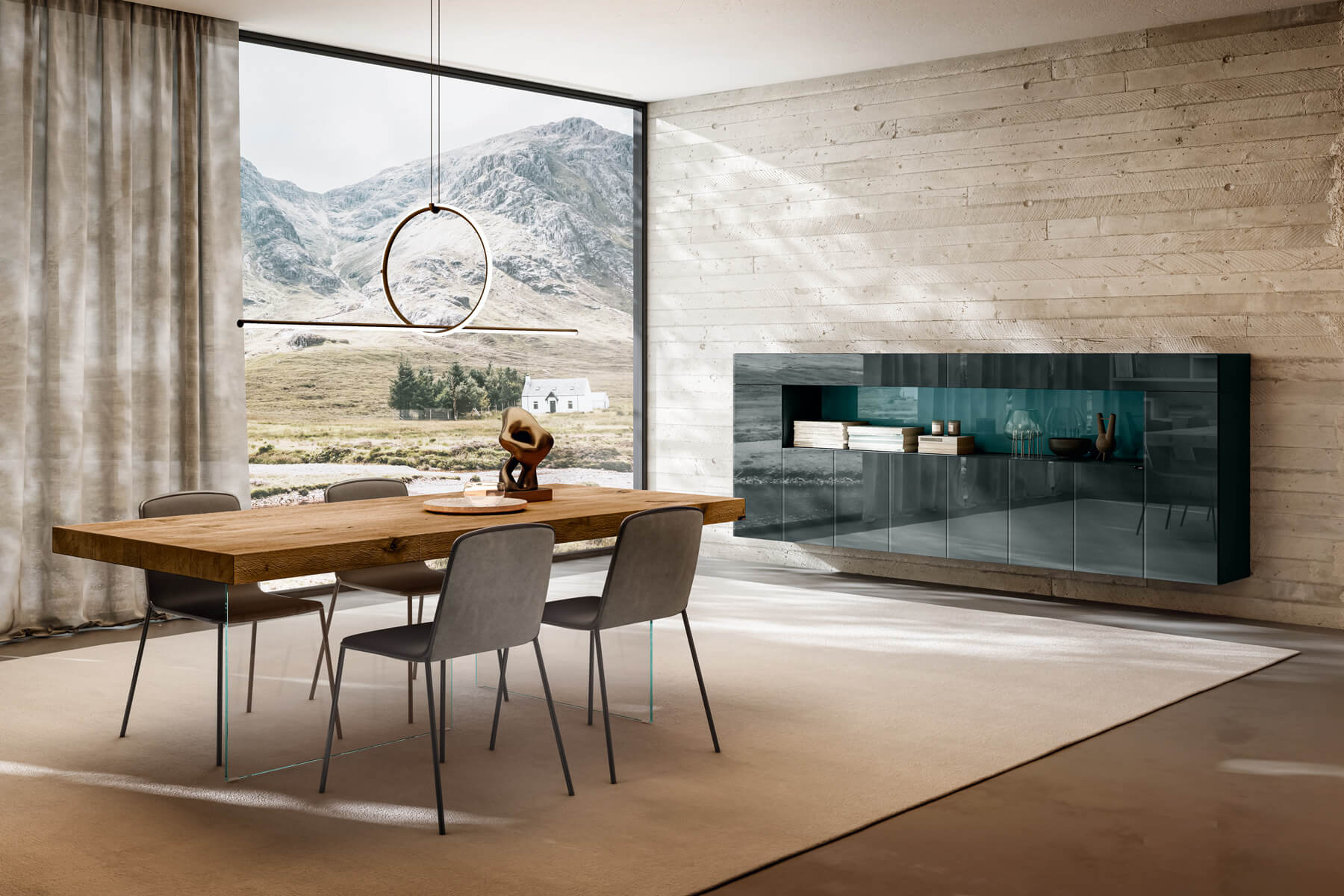
Create a Cozy Atmosphere with Diffused Warm Glow Fabric Wall Light

Fabric wall lights, often referred to as sconces or wall lamps, are lighting fixtures designed to be mounted on a wall. When these fixtures are equipped with fabric shades and produce a diffused warm glow, they can contribute to a specific type of interior ambiance. This document examines the characteristics and application of fabric wall lights that create a cozy atmosphere through their diffused warm illumination.
The core appeal of these wall lights Bonisis lies in their ability to soften and warm the light emitted. This is achieved through a combination of shade material and the type of bulb used.
The Role of the Fabric Shade
Fabric shades are central to the diffusion process. Unlike hard-sided shades made of metal or glass, fabric allows light to pass through it, but in a scattered manner.
Material Composition
The weave and thickness of the fabric play a significant role. Natural fibers such as linen, cotton, and silk are commonly employed. Linen, with its slightly coarser weave, can create a more textured diffusion, while tightly woven cotton or silk provides a smoother, more uniform spread of light. The opacity of the fabric is also a key consideration; a more opaque fabric will more effectively soften the direct glare of the bulb and prevent harsh shadows. The color of the fabric can also subtly influence the warmth of the light. Lighter, neutral tones tend to transmit more light, while darker or colored fabrics may absorb some wavelengths, requiring more powerful bulbs to achieve desired brightness but potentially enhancing the warmth of the output. The construction of the shade, whether it is a cylindrical drum, a tapered cone, or a more intricate shape, also dictates how the light is distributed.
Light Transmission and Scatter
Fabric acts as a secondary diffuser. The primary light source, the bulb, emits direct light. As this light encounters the fabric, it is refracted and scattered in multiple directions. This transforms the focused beam of a bare bulb into a more ambient, widespread illumination. The surface texture of the fabric further contributes to this scattering effect, breaking up the direct rays and preventing a concentrated pinpoint of light. Imagine a sunbeam passing through a thin cloud; the cloud scatters the light, turning a harsh glare into a soft radiance. The fabric shade performs a similar function for the light bulb.
The Significance of Warm Glow
The “warm glow” refers to the color temperature of the light produced, typically measured in Kelvin (K). For a cozy atmosphere, lights are generally in the range of 2000K to 3000K.
Color Temperature Explained
Color temperature describes the apparent color of light emitted by a source. Lower Kelvin values indicate warmer light, appearing more yellow or orange, akin to candlelight or incandescent bulbs. Higher Kelvin values shift towards cooler, bluer light. For achieving coziness, it is essential to select bulbs with a low color temperature. This warm hue is often associated with relaxation and comfort, as opposed to the stark, blueish light that can be found in office environments and is associated with alertness.
Bulb Selection and Warmth
The choice of light bulb is critical. Incandescent bulbs inherently produce a warm light. However, due to their energy inefficiency and phasing out in many regions, LED alternatives are now prevalent. LED bulbs are available in a wide spectrum of color temperatures, and selecting those specifically designated as “warm white” or within the 2000K-3000K range is crucial for creating the desired cozy effect. Some LED bulbs also offer dimming capabilities, which further enhance the ability to control the atmosphere. The spectrum of light from a warm bulb contributes to this feeling; it often contains more red and yellow wavelengths, which are perceived by the human eye as comforting.
Beyond Lumens: The Impact of Perceived Brightness
While lumens measure the total amount of visible light emitted, perceived brightness and the quality of the light are more pertinent when aiming for coziness. A highly luminescent bright white light, even if technically illuminating a space effectively, may not foster a sense of intimacy or relaxation. Warm diffused light creates pools of illumination rather than a uniform, stark brightness, contributing to a more inviting and less clinical environment. The focus shifts from sheer illumination to atmospheric enhancement.
Design and Placement Considerations
The aesthetic design of the fabric wall light and its strategic placement within a room are paramount to its effectiveness in creating a cozy atmosphere.
Aesthetic Styles of Fabric Wall Lights
The visual appearance of the fixture itself contributes to the overall decor and ambiance.
Contemporary Trends
Modern fabric wall lights often feature minimalist designs, utilizing clean lines and simple geometric shapes. Shade materials can range from natural linen to synthetic fabrics engineered for durability and consistent diffusion. The mounting hardware is often in brushed nickel, matte black, or antique brass finishes to complement contemporary interiors. The emphasis is on unobtrusive elegance, allowing the diffused light to be the primary focus. These designs eschew ornate details in favor of a refined simplicity.
Traditional and Transitional Designs
Traditional fabric wall lights may incorporate more decorative elements, such as fringing, pleating, or intricate patterns on the fabric. Lampshades might be wider or feature more elaborate forms. Finishes for the mounting hardware in these styles often lean towards polished brass, oil-rubbed bronze, or antique gold. Transitional styles bridge the gap, blending elements of both contemporary and traditional aesthetics, offering versatility in their application. These designs often aim for a more classic and inviting feel, harkening back to established notions of comfort and home.
Material Innovations
Beyond traditional textiles, manufacturers are exploring new materials for fabric-like diffusion, including certain types of treated polymers or composite materials. These can offer enhanced durability and easier maintenance while still achieving the desired soft, scattered light. Some designs may incorporate decorative stitching or subtle textures to add visual interest without compromising the diffused nature of the illumination.
Strategic Placement for Ambiance
Where a fabric wall light is positioned within a room significantly impacts the mood it creates.
Accent Lighting and Task Lighting Roles
Fabric wall lights are highly effective for accent lighting, drawing attention to specific architectural features, artwork, or decorative elements. They can also serve as task lighting in areas such as reading nooks or beside a bed, providing sufficient light for activities without being overly harsh. The diffused nature of the light reduces eye strain during these tasks. For instance, a pair of sconces flanking a fireplace can enhance its visual importance and warmth.
Creating Zones of Comfort
By strategically placing multiple fabric wall lights, one can delineate different zones of comfort within a larger space. In an open-plan living area, for example, wall lights can define a conversational seating area, a reading corner, or a pathway, creating distinct pockets of warm illumination. This layering of light helps to break up large spaces and make them feel more intimate and manageable. They act as gentle beacons, guiding the eye and the inhabitant through different areas.
Avoiding Glare and Shadows
Proper placement is crucial for avoiding direct glare into the eyes of occupants. Wall lights should generally be positioned so that the light source is either directed upwards or downwards, or so that the shade completely obscures the bulb from direct line of sight. Similarly, placement should aim to minimize harsh, unflattering shadows, particularly in areas where people will be seated or working. The goal is to create an even wash of soft light rather than sharp contrasts. Think of how sunlight filtered through trees creates dappled patterns, soft and unobtrusive; this is the kind of effect to aim for in avoidance of sharp, uninviting shadows.
Enhancing Coziness Through Light Quality
The quality of the light produced by fabric wall lights extends beyond mere brightness to encompass its color rendering and its interaction with the surrounding environment.
Color Rendering Index (CRI) and Its Importance
CRI measures how accurately a light source reveals the true colors of objects.
Understanding CRI Values
A CRI of 100 represents perfect color rendering, identical to natural daylight. For most home applications, a CRI of 80 or above is considered good. When aiming for a cozy atmosphere, a higher CRI is beneficial as it ensures that the colors of furnishings, artwork, and decor appear natural and inviting under the warm light. Low CRI lights can make colors appear washed out or distorted, undermining the intended ambiance.
Impact on Interior Decor
In a room lit with a high CRI warm light, the textures of fabrics, the richness of wood tones, and the nuances of artwork will be more accurately and appealingly represented. This contributes to a more sophisticated and layered interior design. Conversely, a low CRI light can make even the most carefully chosen decor appear dull. The light essentially becomes a filter, and a poor filter can degrade the visual experience of the space.
The Psychological Impact of Warm Light
There is a well-documented psychological connection between warm light and feelings of comfort and relaxation.
Associations with Natural Light
Warm light hues often mimic natural light at dawn or dusk, times of day typically associated with winding down. This can trigger a physiological response that promotes relaxation and reduces stress. The gentle transition of natural light throughout the day provides a subtle cue for our internal clocks, and artificial warm light can reinforce this calming effect in the evening.
Reducing Eye Strain and Fatigue
The diffused nature of the light, combined with its warm color temperature, is often less strenuous on the eyes than brighter, cooler light sources. This can lead to reduced eye strain and fatigue, making it more comfortable to spend extended periods in the illuminated space. The absence of harsh glare allows the eyes to remain more relaxed.
Interplay with Room Decor
The effectiveness of fabric wall lights in creating coziness is amplified when they complement the existing decor.
Harmonizing with Color Palettes
Warm-toned fabric wall lights can beautifully complement interiors that feature warm color palettes, such as earth tones, muted reds, oranges, and browns. They can also provide a softening contrast to cooler color schemes, introducing a sense of warmth and intimacy without clashing. The key is to ensure the light enhances rather than competes with the chosen colors.
Material Textures and Finishes
The texture of the fabric shade can interact with other textures in the room. For instance, a linen shade might complement a woven rug or a natural wood finish. Similarly, the finish of the mounting hardware can be chosen to match or harmonize with other metallic elements in the room, such as door handles, light switches, or picture frames. This creates a cohesive and pleasing visual experience.
Types of Fabric Wall Lights for Cozy Ambiance
Various designs of fabric wall lights are specifically engineered to produce a diffused warm glow and contribute to a cozy atmosphere.
Drum Shades
Drum shades are cylindrical in shape and are one of the most common styles for fabric wall lights.
Uniform Light Distribution
The cylindrical form of a drum shade, when made with a suitable fabric, allows for a relatively even distribution of light around its circumference. Mounted on a wall, these shades project light outwards and downwards, creating a soft halo effect. The uniformity of the light emission makes them unobtrusive and versatile.
Versatility in Size and Style
Drum shades come in a wide array of diameters and heights, allowing for adaptation to different wall sizes and room proportions. They can be found with simple, unadorned fabric surfaces or with subtle embellishments such as decorative stitching. The lack of sharp angles can contribute to a gentler overall impression.
Tapered Shades
Tapered shades, wider at the bottom than at the top, offer a distinct lighting pattern.
Downward Focused Illumination
The tapering shape naturally directs more light downwards, making them ideal for illuminating surfaces directly below, such as side tables or sofas. However, the fabric material still ensures this downward light is diffused and warm, preventing a harsh spotlight effect. The upward light is also softened and spread.
Elegant Silhouette
The tapered silhouette can add a touch of elegance to a room. When placed flanking a doorway or a piece of furniture, they can provide a subtle visual cue and a gentle invitation. The angle of the taper can be more or less pronounced, offering variations in the spread of light.
Lantern-Style Wall Lights
Lantern-style fabric wall lights often incorporate a more enclosed design, resembling traditional lanterns.
Enclosed Diffusion
These fixtures typically have fabric panels on multiple sides, often with a more pronounced frame. The enclosed nature of the shade leads to a highly diffused and softened output. The light is contained and scattered within the structure, creating a soft glow that emanates from all sides.
Decorative Accents
Lantern styles can lend themselves to more decorative applications, sometimes featuring subtle metalwork details or interesting fabric textures. They can evoke a sense of old-world charm or provide a unique accent in a modern setting. Their semi-enclosed nature can make them particularly effective at preventing any direct glare.
Fabric-Covered Arm Sconces
These fixtures feature fabric shades attached to one or more arms extending from a wall-mounted base.
Customizable Light Direction
The articulating arms of these sconces allow for some degree of adjustability in light direction, while the fabric shade ensures the emitted light remains soft and diffused. This offers a balance between directional control and ambient warmth. For example, an arm sconce beside a bed can be adjusted to provide reading light or directed slightly away to create a softer overall illumination.
Layering of Light
The combination of the arm structure and the fabric shade creates a layered lighting effect. The light source is somewhat distanced from the wall, and the fabric shade then softens and spreads this light, preventing a concentrated hot spot on the wall surface. The visual interest of the arm itself can also contribute to the overall aesthetic.
Installation and Maintenance for Optimal Performance
Proper installation and regular maintenance are essential for ensuring that fabric wall lights function effectively and continue to contribute to a cozy atmosphere.
Installation Considerations
The mounting of fabric wall lights requires careful attention to electrical safety and aesthetic placement.
Electrical Wiring and Safety
Installation of any wall-mounted electrical fixture should ideally be performed by a qualified electrician to ensure compliance with local building codes and safety regulations. This includes proper wiring, grounding, and securing of the fixture to the wall. The correct wattage bulb should also be used in accordance with the fixture’s specifications to prevent overheating or damage to the shade.
Wall Mounting Techniques
The method of wall mounting will depend on the type of wall (e.g., drywall, plaster, brick) and the weight of the fixture. Anchors, studs, or suitable mounting brackets are necessary to ensure the light is securely attached and will not pose a falling hazard. The placement should also consider the existence of wiring or plumbing within the wall.
Bulb Replacement and Care
Replacing bulbs and maintaining the fabric shade are routine tasks that contribute to the longevity and appearance of the fixture.
Choosing the Right Bulb Type
When replacing a bulb, it is crucial to select one with the appropriate base type, wattage (or equivalent LED wattage), and, most importantly, the desired color temperature (warm white, 2000K-3000K) and a good CRI. Using the wrong type of bulb can compromise performance or even damage the fixture. The fixture’s design will dictate the maximum wattage or lumen output which should not be exceeded.
Gentle Cleaning of Fabric Shades
Fabric shades can accumulate dust and allergens over time. Gentle cleaning methods are recommended to avoid damaging the fabric. For most fabric shades, a feather duster or a soft brush attachment on a vacuum cleaner can be used to remove surface dust. For more stubborn marks, a slightly damp, lint-free cloth can be used with extreme caution, ensuring not to saturate the fabric. Testing a small, inconspicuous area first is advisable. Harsh chemicals or abrasive cleaners should be avoided. Some shades may be removable for more thorough cleaning or even dry cleaning, depending on the material.
Ensuring Longevity of the Cozy Effect
Regular attention to the performance and appearance of the fabric wall lights ensures they continue to provide a cozy ambiance.
Periodic Inspection
A periodic visual inspection of the fixture and shade can help identify any issues early on, such as loose mounting hardware, fraying fabric, or discolored areas. Addressing these minor problems promptly can prevent more significant damage and maintain the fixture’s aesthetic appeal.
Verifying Light Quality
Over time, LEDs can subtly shift in color temperature or dim. Periodically checking if the light quality remains consistent with the desired warm glow is important. If multiple bulbs are used, ensuring they are all of the same type and age can help maintain uniformity. Similarly, checking if the fabric has become significantly discolored or faded due to prolonged exposure to light or sunlight can be necessary.
Conclusion: The Subtle Art of Creating Atmosphere
Fabric wall lights that emit a diffused warm glow are more than just sources of illumination; they are integral components in the creation of inviting and comfortable interior spaces.
The Power of Soft Light
The ability of these fixtures to transform harsh lighting into a gentle, enveloping presence is their primary strength. This softening effect can make a room feel more intimate, welcoming, and conducive to relaxation. They do not shout for attention, but rather whisper an invitation to linger.
Contributing to Well-being
Beyond aesthetics, the warm, diffused light can positively impact mood and reduce eye strain, contributing to an overall sense of well-being within the home. This psychological aspect is often underestimated but plays a significant role in how we experience our living spaces.
A Versatile Design Element
With a wide range of styles, materials, and placement options, fabric wall lights offer a versatile solution for enhancing the ambiance of virtually any room. Their ability to blend with various decor styles while consistently delivering a warm, diffused light makes them a valuable tool for interior designers and homeowners alike. They are not merely utilitarian objects, but subtle sculptors of space and mood.