Elevate Your Living Space with Sculptural Ceiling Light Fixtures

Transforming a living space often involves considering numerous elements, from furniture arrangement to color palettes. However, one often overlooked yet profoundly impactful component is lighting, particularly the ceiling fixture. Beyond mere illumination, a carefully chosen ceiling light can function as a central element of design, contributing to the room’s aesthetic and defining its character. This article explores the concept of sculptural ceiling light fixtures and their role in elevating interior design.
Historically, ceiling lights Vexlighting primarily served a utilitarian function: providing general illumination. Early examples, such as simple bare bulbs or basic glass globes, were designed for widespread light distribution rather than artistic expression. The late 19th and early 20th centuries saw the emergence of more decorative fixtures, often incorporating stained glass, intricate metalwork, or crystal elements. These typically adhered to established architectural styles like Art Nouveau or Art Deco, offering ornamentation rather than independent sculptural form.
From Functional to Formative
The mid-20th century marked a shift in lighting design. Designers began to experiment with new materials and manufacturing techniques, moving beyond purely decorative elements to create fixtures that were themselves works of art. The Bauhaus movement, with its emphasis on form following function and industrial materials, influenced a more minimalist approach. However, it also laid the groundwork for future sculptural explorations, encouraging designers to think about the light fixture as an integrated element within the architectural landscape.
The Rise of Sculptural Forms
Contemporary design has embraced the ceiling light fixture as a key artistic statement. This evolution is driven by several factors: advancements in LED technology, which allows for smaller and more versatile light sources; the availability of new materials, such as lightweight polymers, composites, and precision-engineered metals; and a growing appreciation for unique, bespoke interior elements. Today, a ceiling fixture can be a dynamic mobile, a geometric abstraction suspended in space, or an organic form mimicking natural elements.
Defining Sculptural Ceiling Light Fixtures
A sculptural ceiling light fixture is distinguished by its emphasis on three-dimensional form, texture, and artistic intent, often transcending its primary role as a light source. Its design prioritates aesthetic impact and spatial presence, engaging with the viewer on a visual and conceptual level even when unlit.
Beyond the Traditional Pendant
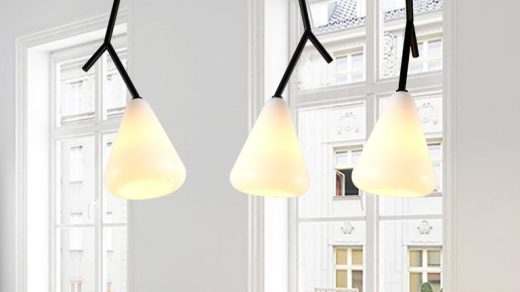
While a traditional pendant light hangs from the ceiling, a sculptural fixture pushes these boundaries. It might not merely hang but project, expand, or integrate with the ceiling surface in unconventional ways. The shadows it casts become part of its design, and its interaction with natural light throughout the day adds another dimension to its character.
Materials and Craftsmanship
Sculptural fixtures frequently utilize a diverse array of materials, often in unexpected combinations. Metals such as brass, copper, and steel are shaped, polished, or patinated to create specific textures and finishes. Glass, in its various forms—blown, etched, or paneled—diffuses and reflects light, adding complexity. Wood, often reclaimed or specially treated, introduces warmth and organic appeal. Modern materials like acrylic, resin, and carbon fiber allow for fluid, gravity-defying forms and translucent effects. The craftsmanship involved in creating these pieces is often meticulous, reflecting an artisan’s skill in manipulating materials to achieve a specific artistic vision.
Integrating Sculptural Fixtures into Your Design
Incorporating a sculptural ceiling light fixture into your living space requires thoughtful consideration of the room’s overarching design, scale, and intended atmosphere. The fixture should not exist in isolation but rather complement and elevate its surroundings.
Scale and Proportion
The size and scale of the fixture must be proportionate to the room. In a grand, open-plan living area, a large, dramatic fixture can serve as an anchoring element, a celestial body in your domestic sky. Conversely, a small, intricate piece might be more appropriate for an intimate reading nook or a well-defined dining area. Consider the ceiling height; a fixture that hangs too low can obstruct views or feel oppressive, while one that is too small can be lost in a cavernous space.
Style and Harmony
The style of the sculptural fixture should ideally harmonize with the existing interior design. In a minimalist setting, a fixture with clean lines, geometric shapes, or abstract forms can reinforce the aesthetic. For a more opulent or eclectic space, a fixture with intricate details, organic curves, or luxurious materials might be more suitable. The goal is to create a cohesive narrative, where the light fixture speaks the same design language as the furniture, art, and architectural features.
Lighting Functionality
While aesthetics are paramount, the functional aspects of the lighting should not be entirely overlooked. Consider the type of light emitted: is it ambient, task, or accent lighting? Many sculptural fixtures offer diffuse ambient light, contributing to a general glow. Others might incorporate directional elements to highlight specific areas or features. The color temperature of the light (warm white, cool white, etc.) also plays a significant role in setting the mood. Dimmers are a valuable addition, allowing you to adjust the light intensity and adapt the ambiance for different occasions.
Placement and Impact
The strategic placement of a sculptural ceiling light fixture can dramatically alter the perception and functionality of a living space. It can define zones, draw attention, or create a focal point.
The Central Statement
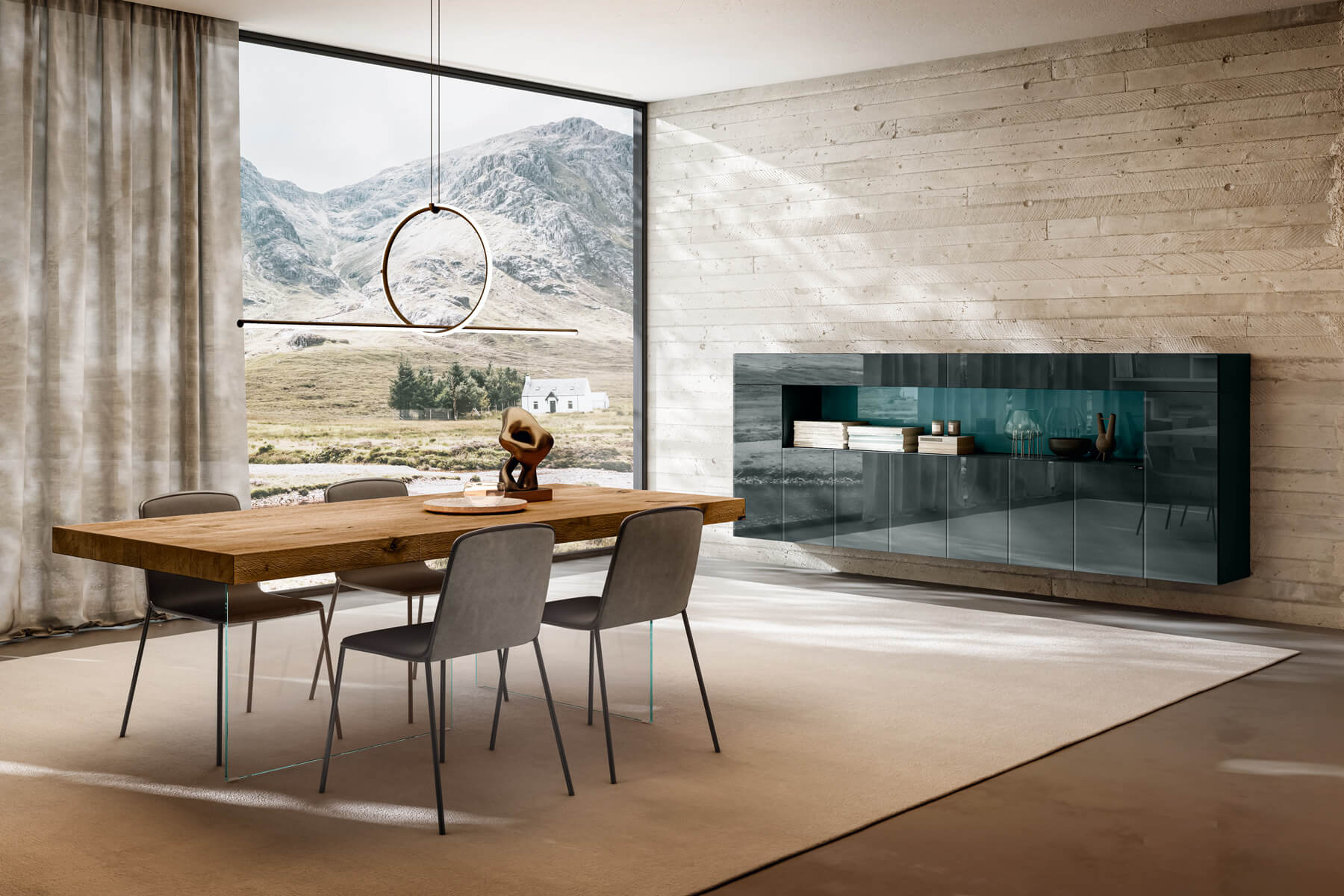
Often, a sculptural fixture is positioned centrally in a room, serving as the primary design statement. In a living room, it might hover above a coffee table, drawing the eye upwards and inviting contemplation. In a dining area, it can delineate the space, creating an intimate canopy for shared meals. This central placement maximizes its visual impact and often provides general ambient illumination for the entire area.
Defining Zones
In open-plan living spaces, where distinct rooms are absent, sculptural fixtures can act as visual markers, subtly defining different functional zones. A particular fixture might designate the conversational area, while another, perhaps smaller and more focused, illuminates a workstation or reading corner. This technique helps to introduce structure and order into expansive layouts without requiring physical barriers.
Architectural Harmony and Contrast
Consider how the fixture interacts with architectural elements. A sleek, linear fixture might echo the lines of a contemporary staircase, reinforcing the architectural rhythm. Alternatively, a deliberately contrasting fixture—an organic form against a stark concrete ceiling, for instance—can create a compelling tension and visual interest, a conversation between opposing aesthetics.
Practical Considerations and Maintenance
Selecting and installing a sculptural ceiling light fixture involves several practical considerations to ensure its longevity, safety, and continued aesthetic appeal.
Installation Requirements
Many sculptural fixtures, due to their size, weight, or complex wiring, require professional installation. Ensure your ceiling can support the weight of the fixture and that adequate electrical access is available. Some fixtures may require specific mounting hardware or reinforcement, which should be factored into your planning. Consult with a qualified electrician and possibly an interior designer to address these technical aspects.
Cleaning and Upkeep
The intricate nature of many sculptural fixtures means they may require specific cleaning methods. Materials like glass, polished metal, or delicate fabrics need careful handling. Regular dusting, often with specialized tools like duster extenders or microfiber cloths, is typically necessary to prevent a buildup of grime that can diminish the fixture’s brilliance and obscure its form. For more complex materials or designs, consult the manufacturer’s cleaning guidelines to avoid damage.
Longevity and Investment
A sculptural ceiling light fixture is often an investment piece, chosen for its design merit and enduring appeal. Consider the quality of materials and construction; well-made fixtures, while potentially more expensive upfront, tend to offer greater durability and timeless design. When selecting a fixture, envision its presence not just for the immediate future but for years to come, ensuring it will continue to captivate and inspire.
In conclusion, a sculptural ceiling light fixture is far more than a mere source of illumination. It is an art object, a spatial sculptor, and a narrative device that can profoundly shape the character of a living space. By carefully considering scale, style, placement, and practicalities, you can select a fixture that not only elevates your interior design but also serves as a lasting testament to thoughtful aesthetic choice.