Illuminate Your Space with Battery Powered Wall Uplighter

The following article discusses battery-powered wall uplighters, exploring their design, functionality, and applications. This information aims to provide a comprehensive overview for individuals considering these lighting solutions.
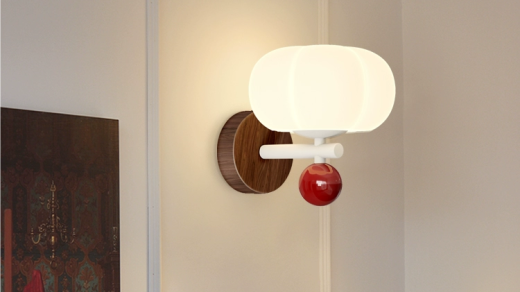
Battery-powered wall uplighters are self-contained lighting fixtures designed to cast light upwards onto a wall or architectural feature. Unlike traditional wired lighting, these units operate independently of a main power supply, relying on internal batteries for their energy needs. This autonomy offers significant flexibility in placement and installation, eliminating the need for electrical wiring or permanent fixtures. Their primary function is to create ambient lighting, highlight architectural details, or enhance the aesthetic appeal of a space without direct light sources.
Design and Components
The design of battery-powered wall uplighters varies significantly, encompassing a range of form factors and material choices. Understanding these elements is crucial for selecting a unit appropriate for specific applications.
Housing Materials
The outer casing, or housing, of an uplighter serves both protective and aesthetic purposes. Common materials include:
- Plastics: Often used for lightweight and cost-effective models. These can be ABS, polycarbonate, or other composites, offering various levels of durability and weather resistance depending on their composition.
- Metals: Aluminum, steel, and sometimes brass, are favored for enhanced durability, heat dissipation, and a more premium aesthetic. Aluminum, in particular, is often used due to its light weight and corrosion resistance, especially in outdoor-rated units.
- Wood/Bamboo: Less common but available for specific interior design styles, offering a natural and organic look. These typically require more protection from moisture.
Light Sources
The illumination within these uplighters is predominantly provided by Light Emitting Diodes (LEDs). This choice is driven by several factors:
- Energy Efficiency: LEDs consume significantly less power than incandescent or halogen bulbs, extending battery life.
- Longevity: LEDs have a much longer operational lifespan, reducing replacement frequency.
- Compact Size: Their small form factor allows for sleeker designs and efficient placement within the housing.
- Color Temperature Options: LEDs are available in various color temperatures, from warm white (2700K-3000K) to cool white (5000K-6500K), and even full RGB (Red, Green, Blue) for color-changing effects.
Battery Technology
The power source is central to the operation of these devices. Several battery types are employed:
- Alkaline Batteries (AA/AAA/D): Common in lower-cost or less frequently used models. They are readily available but offer finite life and are not rechargeable.
- Nickel-Metal Hydride (NiMH) Batteries: Rechargeable, offering a better environmental profile than disposable batteries. They are often used in units designed for regular use.
- Lithium-Ion (Li-ion) Batteries: The most prevalent choice for modern battery-powered uplighters. They offer high energy density, a high charge cycle count, and a relatively long lifespan. These batteries are typically integrated and rechargeable via USB or dedicated power adapters. Some higher-end models may even feature removable Li-ion battery packs for convenience.
Control Mechanisms
Interacting with the uplighter and managing its functions is facilitated by various control mechanisms:
- Manual Switches: Simple on/off switches, sometimes with dimming capabilities, integrated directly into the unit.
- Remote Controls: Infrared (IR) or Radio Frequency (RF) remotes allow for convenient operation from a distance, often including dimming, color changing, and timer functions.
- Motion Sensors: PIR (Passive Infrared) sensors detect movement, triggering the light to turn on, ideal for security or pathway illumination.
- Light Sensors (Dusk-to-Dawn): Photodetectors automatically illuminate the uplighter when ambient light levels drop below a certain threshold and turn it off at dawn.
- Smart Connectivity (Bluetooth/Wi-Fi): More advanced models integrate with smartphone applications or smart home ecosystems, allowing for comprehensive control, scheduling, and integration with other smart devices.
Installation and Placement Considerations
The battery-powered nature of these uplighters simplifies installation significantly. However, thoughtful placement is essential to achieve desired lighting effects and maximize battery life.
Mounting Options
- Adhesive Strips/Pads: Suitable for lightweight units and smooth, clean surfaces. These offer non-permanent installation and are easy to remove.
- Screws/Wall Anchors: Provide a more secure and permanent mounting solution, particularly for heavier units or outdoor applications.
- Magnetic Mounting: Some units incorporate magnets for attachment to metallic surfaces, offering quick repositioning.
- Stand/Base: Certain uplighters are designed to sit directly on a surface, offering complete portability without wall attachment.
Strategic Placement
The effectiveness of an uplighter hinges on its placement. Consider the following:
- Highlighting Architectural Features: Positioned at the base of columns, textured walls, or arches to emphasize their form and materiality.
- Creating Ambient Light: Dispersing light evenly across a surface to reduce glare from other sources and create a soft, inviting atmosphere. This can make a room feel larger by illuminating the upper portions of walls.
- Pathway Illumination: For outdoor or low-light interior areas, placed along corridors or staircases to guide movement.
- Art Illumination: While generally not direct art lighting, an uplighter can soften harsh shadows from other light sources, providing a general wash that complements art.
- Avoiding Glare: Ensure the light source itself is not directly visible from common viewing angles to prevent discomfort. The “grazing” effect, where light skims a textured surface, can be effective in revealing material nuances.
Environmental Factors
For outdoor or bathroom applications, the Ingress Protection (IP) rating is paramount:
- IP Ratings: This two-digit code indicates the level of protection against solids and liquids. For instance, IP44 protects against splashes, while IP65 offers protection against dust and jets of water. Selecting an appropriate IP rating is crucial for longevity in exposed environments.
- Temperature Ranges: Ensure the operating temperature range of the unit is suitable for its intended environment, especially in extreme climates, as battery performance can degrade in very cold or hot conditions.
Applications and Use Cases
The versatility of battery-powered wall uplighters makes them suitable for a diverse range of applications.
Residential Applications
- Living Rooms: Enhancing the ambiance, highlighting focal points like fireplaces or gallery walls, and creating a sense of depth.
- Bedrooms: Providing subtle, indirect illumination for relaxation, or as a soft nightlight.
- Corridors and Hallways: Guiding movement without harsh overhead lighting, especially during nighttime.
- Stairwells: Improving safety and aesthetics by illuminating steps and walls.
- Bathrooms: Providing accent lighting or supplementary illumination, ensuring the unit has an appropriate IP rating.
- Outdoor Patios and Decks: Creating an inviting atmosphere for evening entertaining, often illuminating walls or planters.
- Gardens: Highlighting specific flora or garden structures, like a garden gnome or fountain, or creating a subtle glow along pathways.
Commercial Applications
- Restaurants and Cafes: Contributing to desired atmospheres, from intimate and cozy to modern and vibrant, often highlighting wall textures or branding elements.
- Hotels: Enhancing guest room aesthetics, illuminating corridors, or accentuating architectural features in lobbies and common areas.
- Retail Spaces: Drawing attention to specific merchandise displays or creating a more engaging shopping environment.
- Art Galleries and Museums: Providing subtle, non-intrusive illumination for architectural elements, ensuring not to cast direct light on sensitive artworks.
- Event Venues: Offering flexible lighting solutions for temporary setups, stage backdrops, or creating thematic lighting for events.
Temporary and Flexible Lighting Needs
- Rentals: Ideal for renters who cannot modify walls or install permanent wiring.
- Seasonal Decorations: Easy to install and remove for holidays or special occasions.
- Power Outages: Serving as emergency lighting, especially units with motion or light sensors.
- Mobile Setups: For photographers, videographers, or event organizers who require portable accent lighting.
Advantages and Disadvantages
As with any technology, battery-powered wall uplighters present a distinct set of advantages and disadvantages.
Advantages
- Flexibility and Portability: The absence of wires allows for placement virtually anywhere, including locations far from power outlets. This makes them ideal for temporary setups or frequent repositioning.
- Ease of Installation: Typically involves simple mounting techniques like adhesive strips or a few screws, requiring no electrical expertise. This reduces installation time and cost.
- Safety: Eliminates the risk of exposed wiring or tripping hazards associated with power cords. Low voltage operation inherently reduces electrical shock risks.
- Cost-Effectiveness (Installation): While the units themselves may have a higher initial cost than basic wired fixtures, the lack of electrician fees and wiring costs can often make them more economical for specific applications.
- Aesthetic Appeal: The absence of visible wires contributes to a cleaner, more minimalist aesthetic, enhancing the overall design integrity of a space.
- Energy Efficiency: Modern LED technology combined with intelligent power management systems ensures optimal battery life, especially when used with rechargeable batteries.
Disadvantages
- Battery Life and Maintenance: Requires periodic battery replacement (for disposable cells) or recharging (for rechargeable units). This can be an ongoing maintenance task and a point of failure if not managed. The longevity of a charge can vary significantly based on brightness settings and usage frequency.
- Light Output Limitations: Due to power constraints, battery-powered units generally do not match the sustained brightness or broad throw of mains-powered uplighters. They are primarily designed for accent or ambient lighting, not primary illumination for large areas.
- Environmental Impact: Disposable batteries contribute to landfill waste, although rechargeable options mitigate this. The manufacturing and disposal of lithium-ion batteries also have environmental considerations.
- Initial Cost: While installation is cheaper, the units themselves, especially those with advanced features and long-lasting integrated batteries, can have a higher upfront purchase price compared to basic wired alternatives.
- Dependence on Power Source: Unlike wired lights, a depleted battery renders the light inoperable until recharged or replaced, which can be inconvenient.
Future Developments
The field of battery-powered lighting is dynamic, driven by advancements in several key areas.
Battery Technology
- Increased Energy Density: The ongoing development of lithium-ion batteries continues to push boundaries, promising longer run times and smaller form factors. Next-generation chemistries like solid-state batteries are on the horizon, potentially offering even greater safety and performance.
- Faster Charging: Technologies like gallium nitride (GaN) chargers and improved battery management systems are enabling quicker recharge cycles, reducing downtime.
- Sustainable Materials: Research into more environmentally friendly battery components and manufacturing processes aims to reduce the ecological footprint.
LED Efficiency
- Higher Lumens Per Watt: LEDs are continually becoming more efficient, generating more light with less power consumption. This translates directly to extended battery life or brighter output from the same power source.
- Improved Color Rendering Index (CRI): Better light quality means colors appear more accurate, enhancing the aesthetic impact of the uplighters.
- Tunable White and RGBW: More sophisticated LEDs will offer greater control over color temperature and full-spectrum color mixing, providing unprecedented flexibility in mood and effect lighting.
Smart Integration
- Enhanced Connectivity: Deeper integration with smart home ecosystems (e.g., Apple HomeKit, Google Home, Amazon Alexa) will allow for more seamless control, automation, and voice commands.
- Mesh Networking: Technologies like Bluetooth Mesh or Thread will enable multiple uplighters to communicate with each other and a central hub more reliably and efficiently, allowing for synchronized lighting effects across a space without complex wiring.
- AI-Driven Automation: Future systems may learn user preferences and environmental conditions (e.g., time of day, weather) to autonomously adjust lighting parameters for optimal comfort and energy efficiency.
Material Science and Design
- Self-Healing Materials: Exploration into coatings or materials that can repair minor scratches or damage, improving longevity.
- Biometric Integration: While speculative, devices might eventually integrate subtle biometric sensors for presence detection or even mood assessment to adjust lighting accordingly.
- Miniaturization: Ongoing trends in electronics mean components will continue to shrink, enabling even more discreet and compact uplighter designs.
In summary, battery-powered wall uplighters offer a compelling solution for individuals seeking flexible and aesthetically pleasing lighting without the constraints of traditional wiring. By understanding their components, installation considerations, and various applications, one can make informed decisions to effectively “illuminate your space” with these versatile devices.