Enhance Reading Comfort with Linen-Shaded Eye-Protecting Light

The quality of light plays a significant role in reading comfort and the preservation of visual health. This article explores the properties of light and how they relate to the design and function of eye-protecting lamps, specifically those utilizing linen shades.
The Nature of Light and Its Impact on Vision
Light is a form of electromagnetic radiation that enables us to perceive the world. For reading, the relevant properties of light include its intensity, color temperature, and spectral distribution.
Illuminance and Brightness
Illuminance, measured in lux, refers to the amount of light Scules falling on a surface. Adequate illuminance is crucial for reading, as insufficient light forces the eyes to work harder, potentially leading to fatigue. Conversely, excessive brightness can cause glare, a blinding effect that obscures detail and strains the eyes.
Factors Affecting Perceived Brightness
The perceived brightness of a light source is influenced by several factors:
- Luminance: This is the amount of light emitted by a surface, measured in candelas per square meter. A brighter lamp has higher luminance.
- Contrast: The difference in luminance between the text and the background of the page is critical. High contrast makes text easier to discern.
- Ambient Light: The surrounding light levels in a room can affect how our eyes adapt and perceive the brightness of a task lamp.
Color Temperature and Its Psychological Effects
Color temperature, measured in Kelvin (K), describes the hue of light. It ranges from warm, reddish tones (lower Kelvin) to cool, bluish tones (higher Kelvin).
Warm Light vs. Cool Light
- Warm light (below 3000K): Often associated with incandescent bulbs, this light is perceived as cozy and relaxing. It can be beneficial for reading in the evening.
- Cool light (above 4000K): Resembles daylight and is often preferred for tasks requiring alertness and focus, such as detailed work or reading in a study.
The ideal color temperature for reading can be subjective and dependent on individual preference and the time of day.
Spectral Power Distribution and Eye Strain
The spectral power distribution (SPD) of a light source indicates the relative intensity of light at different wavelengths within the visible spectrum.
The Role of Blue Light
Modern light sources, particularly LEDs, can have a significant amount of blue light in their spectrum. While blue light contributes to alertness during the day, excessive exposure in the evening can disrupt natural sleep-wake cycles. For reading, a balanced SPD that minimizes harsh blue light can contribute to reduced eye strain.
The Function of Lampshades in Light Diffusion
A lampshade serves as a modifier of light, transforming the direct output of a bulb into a more diffuse and comfortable illumination.
Diffusion and Glare Reduction
The primary function of a lampshade is to scatter light, preventing direct, harsh rays from reaching the eyes. This diffusion process softens the light, reducing glare and creating a more uniform illumination on the reading surface.
How Shades Diffuse Light
- Material Properties: The material of the lampshade plays a key role. Opaque materials block light, while translucent materials allow light to pass through but scatter it.
- Thickness and Opacity: Thicker or more opaque materials will diffuse light more effectively, creating a softer glow.
- Shape and Size: The geometry of the lampshade influences how light is directed and dispersed.
Color and Light Transmission
The color of a lampshade can also affect the perceived light quality.
Light Transmission Through Colored Shades
- White or Light-Colored Shades: These tend to transmit more light and will create a brighter illumination.
- Darker or Colored Shades: These will absorb more light, resulting in a dimmer output. They can also tint the light, which might be desirable for creating a specific ambiance.
Linen Fabric as a Material for Lampshades
Linen is a natural fiber derived from the flax plant. Its properties make it a unique material for lampshades, offering distinct advantages for reading comfort.
Properties of Linen Fiber
Linen is known for its strength, durability, and absorbency.
Mechanical Properties of Linen
- Tensile Strength: Linen fibers are strong, allowing for the creation of durable fabrics that can withstand tension.
- Durability: Linen fabrics are resistant to abrasion and can last for a long time with proper care.
Hygroscopic Nature of Linen
Linen can absorb moisture from the air. While this is not a primary factor for lampshades, it contributes to the fabric’s breathability and can influence how it interacts with heat.
Weave Structure and Light Interaction
The way linen fibers are woven creates a textured surface that impacts light diffusion.
Different Linen Weaves
- Plain Weave: The most common weave, where each weft thread passes over and under each warp thread. This creates a relatively even surface.
- Basket Weave: Involves weaving two or more warp threads with two or more weft threads. This results in a more open and textured fabric.
- Twill Weave: Characterized by diagonal parallel ribs. This weave can create a slightly more irregular surface.
The irregularity of the weave in linen can contribute to a subtle diffusion of light, breaking up harshness.
Aesthetic Qualities of Linen
Beyond its functional properties, linen possesses a distinct aesthetic appeal.
Natural Texture and Appearance
Linen has a characteristic natural texture that can range from smooth to slightly slubbed, depending on the quality of the fibers and the weaving process. This texture adds visual interest and a sense of authenticity to a lampshade.
Coloration and Dyeing
Linen can be dyed in a wide range of colors. The natural off-white color of undyed linen also offers a soft, neutral tone that is often desirable for lampshades.
Designing Eye-Protecting Lamps with Linen Shades
The integration of linen shades into lamps designed for reading comfort involves careful consideration of various design elements.
Optimizing Light Diffusion and Avoidance of Hotspots
The goal is to achieve uniform illumination without concentrating light in specific areas.
Strategies for Diffusion Control
- Liner Material: Many linen lampshades incorporate an inner liner made of a more opaque or translucent material, such as polyester or styrene. This liner acts as the primary diffusion layer, while the linen provides the aesthetic and an additional layer of softening.
- Fabric Density: The weave density of the linen itself can be adjusted. A tighter weave will offer more diffusion than a looser, more open weave.
- Adhesive Application: The method by which the linen is applied to the lampshade frame can also influence diffusion. Even application is crucial to prevent light distortion.
Light Spectrum Management and Eye Strain Reduction
The lamp’s light bulb and the interaction with the linen shade work in concert to manage the light spectrum presented to the reader.
Bulb Selection for Reading Lamps
- LED Technology: Modern LED bulbs offer energy efficiency and a long lifespan. They are available in a wide range of color temperatures and with varying levels of blue light emission.
- CRI (Color Rendering Index): A high CRI indicates that a light source accurately renders colors. For reading, a CRI of 90 or above is generally recommended for better visual clarity.
- Flicker-Free Operation: Some LED bulbs can exhibit imperceptible flicker, which can contribute to eye strain. Choosing flicker-free bulbs is important.
The Role of the Shade in Spectrum Modification
While the bulb dictates the initial spectrum, the linen shade can subtly alter it through absorption and scattering. However, its primary impact is on the intensity and distribution of light, rather than a significant alteration of the bulb’s spectral output.
Ergonomic Considerations in Lamp Design
Beyond the shade, the overall design of the lamp contributes to reading comfort.
Adjustability and Placement
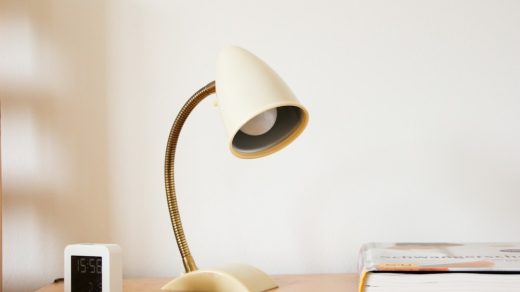
- Flexible Arms and Heads: Lamps with adjustable arms and heads allow the reader to direct light precisely where it is needed, minimizing glare on the page and reducing the need to strain the eyes.
- Height and Reach: The lamp’s height and reach should be appropriate for the reader’s typical reading position and surface (e.g., desk, side table).
- Stability: A stable base prevents accidental tipping, ensuring consistent light placement.
Controls and Ease of Use
- Accessible Switches: The on/off switch and any dimming controls should be easily accessible without requiring the reader to move excessively.
- Intuitive Operation: Simple and intuitive controls enhance the user experience.
Benefits of Linen-Shaded Eye-Protecting Lights for Reading
The combination of linen’s properties and thoughtful lamp design offers several advantages for individuals who spend significant time reading.
Reduced Eye Fatigue and Strain
The diffused, softened light provided by a linen shade minimizes the visual effort required to focus on text.
Mechanism of Fatigue Reduction
- Glare Minimization: By scattering direct light, linen shades prevent the harsh, blinding glare that forces the eyes to squint and adjust constantly. This is akin to trying to read under a spotlight versus in a well-lit room.
- Uniform Illumination: A well-designed linen shade creates an even pool of light on the reading material, eliminating sharp contrasts and dark spots that can lead to visual fatigue.
- Softer Light Quality: The natural texture of linen can contribute to a softer light quality that is less taxing on the eyes over extended periods.
Enhanced Reading Experience and Focus
A comfortable reading environment can lead to improved concentration and a more enjoyable experience.
The Psychology of Comfortable Lighting
- Reduced Distraction: When the light is comfortable and unobtrusive, the reader can focus more intently on the content without being distracted by visual discomfort.
- Creating a Reading Nook: The gentle glow from a linen-shaded lamp can contribute to an inviting and focused reading atmosphere, like a warm embrace for the eyes.
- Sustained Engagement: By reducing visual strain, the reader can maintain engagement with their material for longer periods.
Aesthetic Integration into Living Spaces
Linen lampshades offer a natural and timeless aesthetic that complements a variety of interior design styles.
Versatility in Design
- Natural Materials: The use of linen aligns with trends favoring natural materials and organic textures in home decor.
- Timeless Appeal: Linen has a classic and understated elegance that does not go out of fashion.
- Warmth and Texture: The inherent texture of linen adds warmth and visual interest to a room, contributing to an inviting ambiance.
Considerations for Selecting and Using Linen-Shaded Reading Lights
Choosing the right lamp and using it effectively are crucial for maximizing its benefits.
Evaluating Light Quality for Personal Needs
Individual vision needs and preferences play a significant role in lamp selection.
Assessing Illuminance Requirements
- Age and Visual Acuity: As we age, our eyes may require more light to see clearly. Individuals with reduced visual acuity will benefit from higher illuminance levels.
- Type of Reading Material: Reading small print in a dense text may require more light than reading a magazine with larger font sizes and more white space.
- Task Specificity: While this article focuses on reading, the requirements for other tasks (e.g., crafting, detailed hobbies) might differ.
Understanding the Interaction Between Bulb and Shade
The combination of the light bulb and the linen shade determines the final light output.
Bulb Specifications to Note
- Wattage vs. Lumens: While wattage indicates energy consumption, lumens measure the actual brightness of the bulb. For reading, lumens are a more relevant indicator of brightness.
- Color Temperature (Kelvin): As discussed, choose a color temperature that suits your personal preference and the time of day.
- Flicker-Free Technology: Prioritize bulbs that are explicitly marketed as flicker-free to avoid visual strain.
Proper Placement and Usage for Optimal Comfort
The most well-designed lamp can be ineffective if not used correctly.
Indirect Lighting Techniques
- Avoid Direct Overhead Glare: Position the lamp so that the light spills onto the reading material without shining directly into the reader’s eyes or creating harsh reflections on glossy pages.
- Angle of Illumination: Experiment with the lamp’s angle to find the optimal position that illuminates the page evenly and comfortably. This might involve angling the light slightly from the side or behind the reader.
- Minimize Shadows: Ensure the lamp’s placement does not cast disruptive shadows on the reading material.
Maintenance and Longevity of Linen Shades
Proper care will ensure the longevity and continued effectiveness of the lampshade.
Cleaning and Care Instructions
- Dusting: Regularly dust the lampshade with a soft cloth or a feather duster to prevent dust buildup, which can dim the light and affect the fabric’s appearance.
- Spot Cleaning: For minor stains, gently dab the affected area with a damp cloth and mild soap. Avoid excessive rubbing or saturating the fabric.
- Professional Cleaning: For more significant soiling, professional cleaning may be necessary. Always consult the manufacturer’s recommendations for specific care instructions.
- Avoid Harsh Chemicals: Do not use abrasive cleaners or harsh chemicals, as these can damage the linen fibers and the shade’s structure.
By understanding these factors, individuals can select and utilize linen-shaded eye-protecting lights to create a more comfortable and visually healthy reading environment.